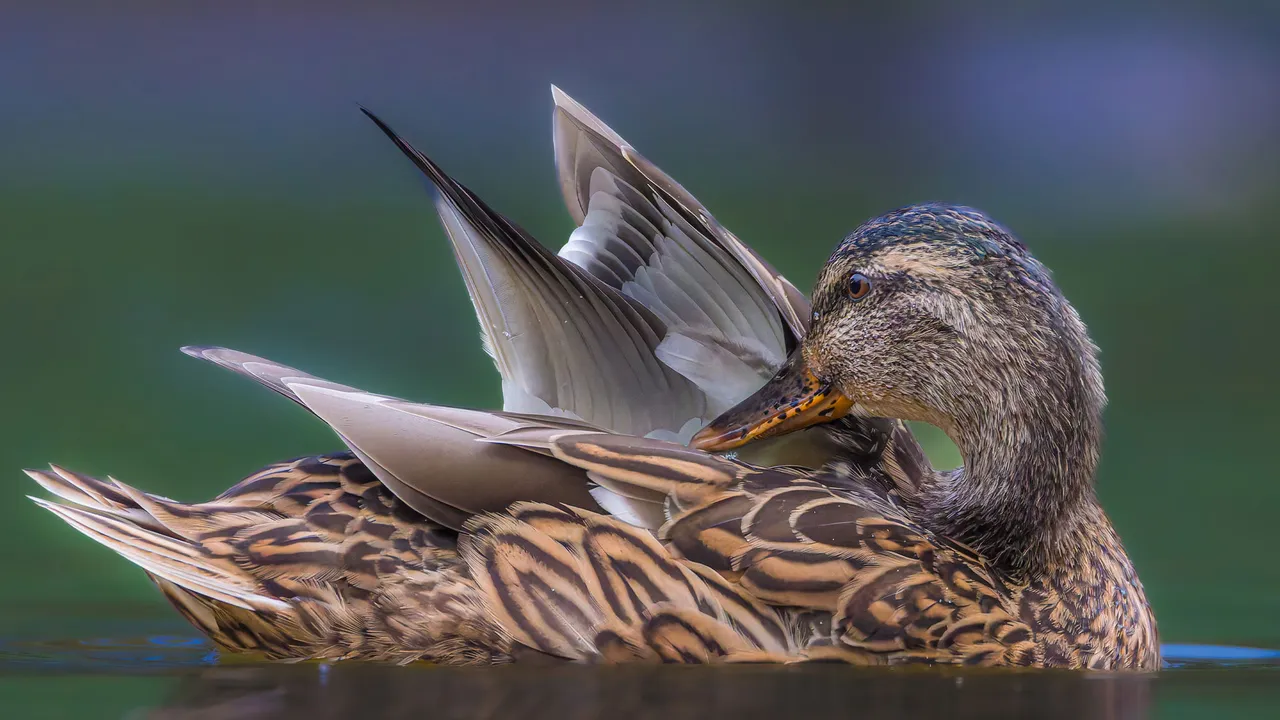
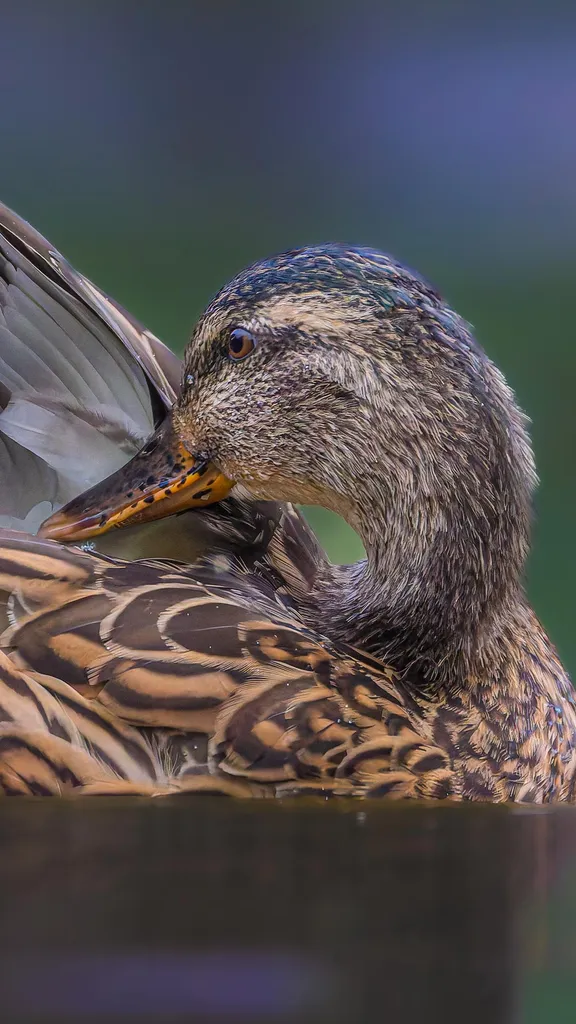
Mallard duck
Highly adaptable, the mallard is the most widespread duck species in the world, thriving from natural wetlands to city environments like parks and canals.
At daybreak, the mallard glides over the still water like a brush across a canvas. Its shimmering plumage—emerald-green head in the male, speckled brown coat in the female—catches the first light. It can be seen from the marshes of the Camargue to the urban canals of Amsterdam, a faithful companion of Europe's aquatic landscapes.
An opportunist, it feeds mainly on seeds, aquatic plants and small invertebrates, sometimes dipping its head underwater with a graceful tilt. When spring arrives, the female chooses a discreet shelter, often away from the water, to brood her eggs. The ducklings, clad in golden down, gradually follow their mother, who guides them in a tender procession.
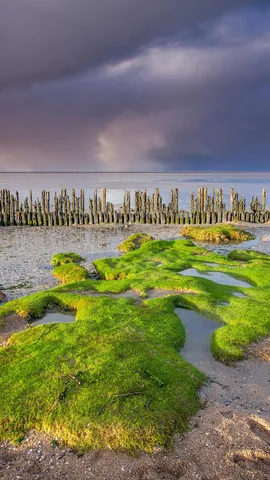
Resilient and adaptable, the mallard reminds us of both the fragility and the richness of our wetlands—those havens where life, even in the heart of the city, still softly murmurs.